Why People Don't Care About Chimineas And Fire Pits


Choosing Between Chimineas and Fire Pits
Choosing between a fire pit or the chiminea will boil down to your personal taste and the overall layout of your garden. Chimineas are a classic look that will complement rustic outdoor decor. Fire pits are, on the other hand, have sleek lines and blend in with contemporary garden layouts.
Fire pits should be kept away from materials that are flammable for safety reasons. Chimineas can also be used for cooking and are more secure in windy environments because of their enclosed design.
Aesthetics
Both chimineas as well as fire pits can add warmth to any outdoor space. The right choice depends on your personal preferences and space requirements. Fire pits offer more flexibility in terms of design than chimineas however they come with additional costs like maintenance and fuel. Chimineas, on the other hand, provide more traditional appearance with controlled smoke and heat. Choosing the best American made fire pit or chiminea starts by understanding the differences between these two options and assessing your needs.
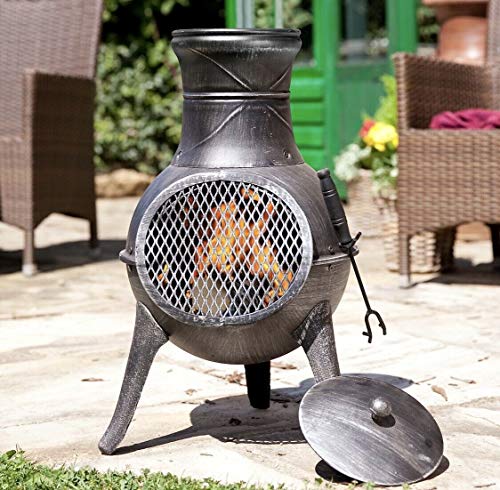
Chimineas, also known as front-loading outdoor ovens or fireplaces are freestanding and have an air vent that is vertical. They are usually constructed of clay or terracotta but can also be found in cast iron, steel or steel versions. Chimineas made of clay are more traditional and can be quite decorative, but they require careful handling because of their fragility. Metal versions are more durable and can withstand higher temperatures.
The unique design of a chiminea will direct the smoke upwards and away from those who are sitting around it which makes it a great option for smaller spaces where reducing smoke is a top priority. The open top makes them easier to maintain and they can be used in conjunction with a grill to cook. They are also safer than fire pits since they don't generate as many sparks.
On the other hand, fire pits are specifically designed to allow the complete combustion of wood and are able to be used with a variety fuel types. They are a popular choice for outdoor patios and can be placed near seating areas. They can be used to burn logs of any size, and twigs as well as small branches to produce more controlled flames.
When choosing between a firepit and a chiminea initial investment and the ongoing costs are important to consider. A chiminea may cost more initially, but its durability and ease of use could reduce the long-term costs. On the other side a fire pit could be less expensive, but it will require more frequent maintenance and replacement parts. Furthermore, a chiminea might have a lower environmental impact because of its controlled burn and less smoke, while the fire pit could produce more emissions and smoke.
The output of heat
The amount of heat produced by a chiminea will depend on its size, the kind of wood used and how it is placed in the fire. Dry well-seasoned wood will generate more heat than damp or green wood. A chiminea that is in a favorable location, not shaded by trees or other structures will also be able to absorb more heat than one that is. Chiminea chimneys also transmit more heat into the air, particularly when the funnel design of the chiminea is employed.
The feeling of warmth feels different for every individual. The type of clothes worn, the personal metabolism of each person and other factors in the body affect how warm a person feels. However, regardless of these variables Chimineas are the ideal source of warmth for small groups and intimate gatherings.
Chimineas have a wide base and an open chimney that draws in air to ignite the flames. These units are available in clay, terracotta or cast iron, but the ones made of metal are more resistant to rust and are able to stand up to high temperatures. Clay and terracotta chimineas have a more traditional look, but they tend to crack over time and require special attention. Cast iron models are more durable and can be used for cooking food. They are also able to hold larger logs.
Apart from being a stunning decorative element, these units are also ideal for heating outdoor spaces. They can be placed on the patio or in the backyard to create a warm atmosphere. Many homeowners pair a chiminea and a grill to improve their cooking capacity.
Fire pits are, however have a smaller opening within the body, which restricts the dimensions of the logs that can be utilized. They are also more likely to produce a lot of stray sparks, so they must be kept in a safe location. In general, a fire pit is more suitable for large outdoor spaces where there are many people who will enjoy its warmth when the sun goes down.
Smoke control
If you're looking to add an instant rustic look to your garden or patio, a chiminea can help create a welcoming place to get together with family and friends. The fireplace was originally used for cooking and heating these fireplaces can be found in various materials, including traditional clay and modern cast iron models. They are ideally positioned close to the ground and have an open flame design which draws in oxygen for combustion, keeping the smoke from people.
Chimineas radiate heat upwards from the front opening and warm those seated near it. However the chimney stack could be quite small and generate a lot of wood smoke, particularly when burning logs that aren't fully dried. Carbon monoxide, which is a colorless and odorless gas, could build up when the logs are not fully seasoned. This can be avoided by using seasoned hardwood, or alternative fuels such as bioethanol.
Fire pits, on the other hand are able to be accessed from all sides and allow the heat produced by them to be felt by those within a 360-degree radius. However, they can produce an enormous amount of smoke depending on the direction of wind and size of the logs used. Pick a model with a double-wall design to increase the airflow and reduce smoke emissions.
Chimineas, as well as fire pits require regular maintenance to ensure their safety. Consider your needs to choose the best option for your outdoor living space. Factors to consider include safety, maintenance requirements, and environmental impact. Choose a chiminea that complies with local laws and regulations regarding outdoor fires, and choose eco-friendly fuel options to minimize the environmental impact.
When it comes to safety, chimineas are generally safer than fire pits since they contain the flame and direct it upwards. They are more stable than fire pits since they sit on a stand rather than directly on the ground. However, it is still important to keep them away from flammable objects like sheds and fences. However, they can still emit sparks and smoke which can erupt into seating areas, so use spark screens if you are sitting close to them.
Maintenance
Due to their fragility, chimineas should be placed on a surface that is stable. It is recommended to place these structures on a stable surface. Children and pets should be kept away from the structure to avoid accidents. Chiminesas' bodies can be hot for a long time after it has been lit, so be sure to move it away from any structures or objects that are flammable. Avoid putting out the fire by putting it in water, as this could cause the material crack or break. It is recommended to use a firepit made of durable metal, which can endure higher temperatures and will less likely to be damaged by snow or rain.
Both kinds of outdoor fire pits can create a stylish focal point for any patio or backyard. Chimineas are a better option for a rustic aesthetic and fire pits are more modern, they are a great choice for various garden and home styles. When deciding between these two options, take into account your personal preferences for aesthetics and maintenance capabilities as well as environmental considerations.
Depending on the material, both chimineas and fire pits come in a variety of sizes and styles that fit any space. Fireplaces And Stoves offer an authentic Mexican heritage while steel firepits are durable and easy-to-clean. Consider the initial investment and long-term expenses of each model as well when deciding which one is right for you.
Chimineas emit less smoke and have less emission. This can reduce health issues and nuisances to neighbors. Fuel choices play an important part in this regard, and seasoned wood is best for reduced smoke output.
Chimineas also offer an easier experience when entertaining guests, as their enclosed design and chimney stack direct smoke upward to prevent inhalation. A fire pit is open and thus exposed to wind patterns. This increases the amount of smoke that is produced. Both are eco-friendly if you select the right fuel, but Chimineas are better able to minimize environmental impact.